
Iran-Israel conflict is sweeping the globe: We must know
Jun 21,2025 | vape
Iran-Israel conflict is sweeping the globe: We must know
In June 2025, a violent military conflict broke out between Iran and Israel. In less than a week, missile attacks, air strikes, and diplomatic standoffs have killed hundreds of people and injured thousands , and the impact of this conflict has already gone beyond the Middle East, touching the foundations of global security, energy, economy, and even social structure .
This is not only a war, but also a mirror that reflects the fragility of the world order and the limitations of international diplomacy.
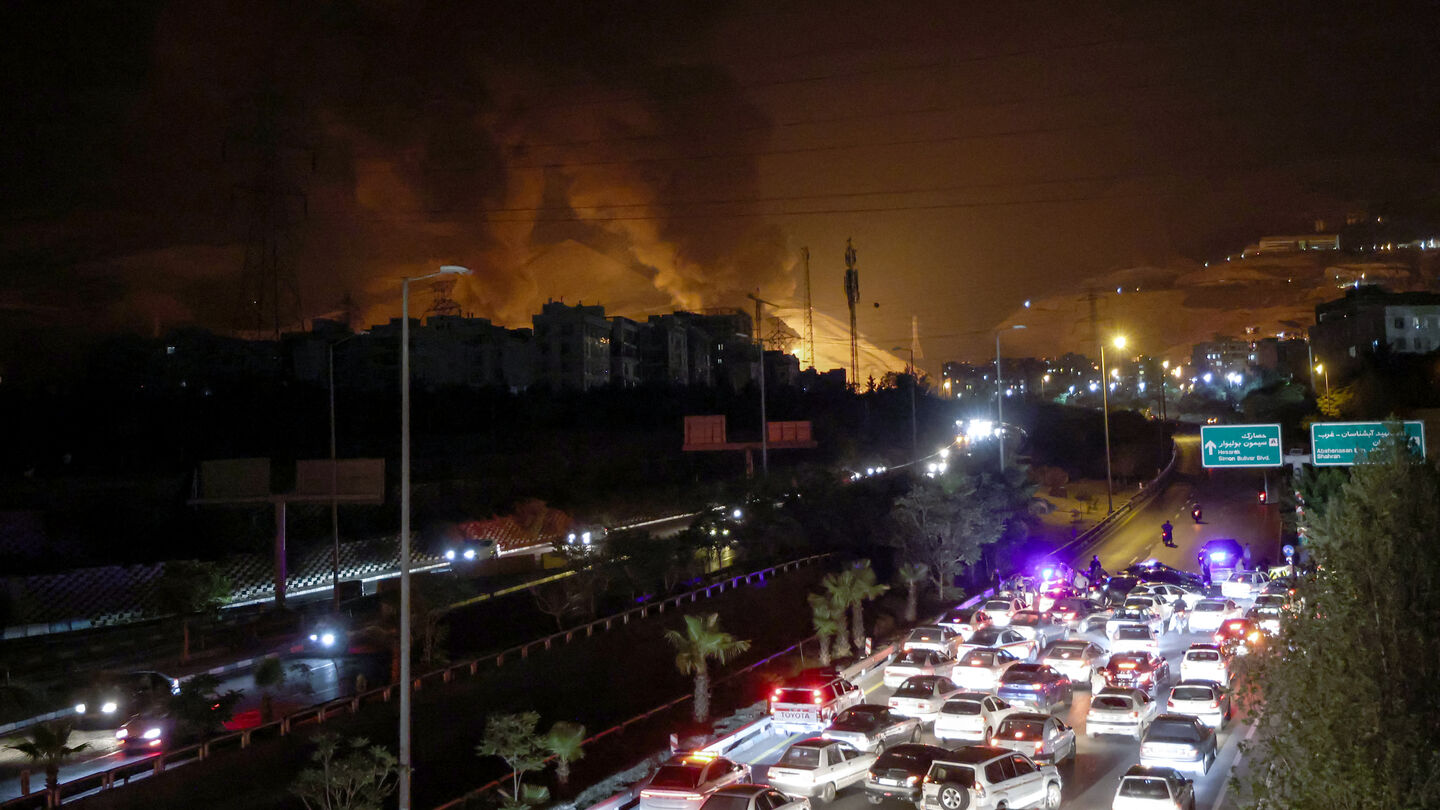
⚔️ 1. The Middle East under war: Neighboring countries are on the edge of the line of fire
✅ Lebanon: Hezbollah is at a critical point
Israel accuses Iran-backed Hezbollah of preparing to intervene in the conflict and has assembled troops on the Lebanese-Israeli border. In 2019, Hezbollah and Israel engaged in a small-scale exchange of fire, resulting in civilian casualties. If Israel is involved this time, it may repeat the "Second Lebanon War" of 2016, affecting millions of people.
✅ Iraq and Syria: Iranian influence network hit again
In the past week, Israeli warplanes have carried out precision strikes on pro-Iranian militia bases in Deir ez-Zor, Syria, and on the Iraqi border. According to Al Jazeera, the number of casualties in the region has exceeded three digits, and regional stability has dropped sharply.
.jpeg?w=1280&h=853)
🛢️ 2. Global Energy Market: The Strait of Hormuz is the "throat" hanging over the world
The Strait of Hormuz is one of the world's most important energy channels, with about **21 million barrels of oil (21% of the world's total)** passing through it every day. The conflict caused market panic, and the price of Brent crude oil soared from $78 to $83 in three days, a six-month high.
🌐 Example:
-
The Japanese government urgently launched a national oil reserve plan to prevent import disruptions;
-
The Indian rupee has fallen to a three-month low, partly due to rising crude oil import costs.
-
Many European energy companies have begun to adjust their purchasing directions, seeking to import natural gas from the United States and Norway to replace Middle Eastern oil.

📉 3. Global financial markets: The shadow of war looms over Wall Street and global stock markets
✅ Safe-haven assets surge
The yield on the 10-year U.S. Treasury bond fell to 4.02%, and gold broke through $2,450 per ounce, a record high. Investors generally sold risky assets and turned to buying defensive stocks and gold ETFs.
✅ The aviation and tourism industries have been hit hard
Lufthansa canceled some flights to the Middle East, Boeing and Airbus shares fell 4.1% and 3.7% respectively. Global travel booking platforms such as Booking.com and Expedia reported a sharp drop in orders to Middle East-related destinations.

🧍♂️ 4. People: Ordinary people are paying for the conflict
✅ Europe and the United States: Security threats rise
Several European cities have raised their terrorist attack alert levels. Jewish schools, mosques and Iranian cultural centers in Paris, Berlin and London have increased security. The Guardian reported that a Jewish community center in London had received two threatening phone calls within 48 hours.
✅ The risk of refugee influx re-emerges
The United Nations High Commissioner for Refugees said that if the conflict spreads to Syria, Iraq and other countries, more than 300,000 people may be forced to flee their homes in the coming months, which will add to the already overburdened refugee reception systems in Turkey, Greece and other countries.
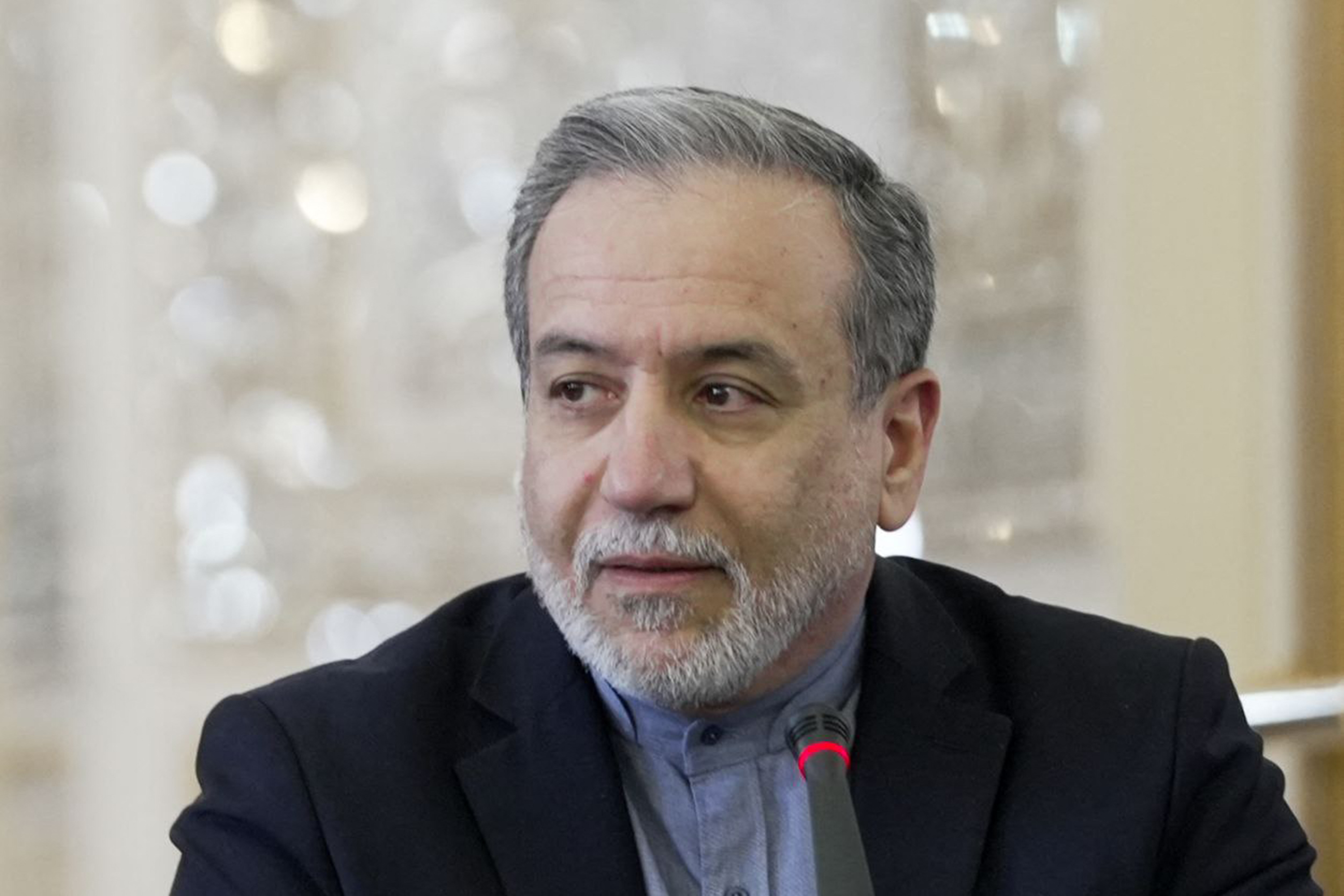
IRAN’S MINISTRY OF FOREIGN AFFAIRS/AFP/GETTY IMAGES
⚖️ 5. Diplomacy and international order: mediation is failing and extremism is growing
✅ European mediation deadlocked
Although the foreign ministers of Britain, France and Germany held talks with Iran in Geneva, they did not issue a joint statement in the end, nor did they clarify the results of the negotiations. Araghchi said that "negotiations are meaningless before Israel stops its attacks," and European mediators were forced into the embarrassing situation of "no checks and balances."
✅ US "ultimatum" and potential military escalation
Trump said Iran has "two weeks at most" to avoid being hit by US airstrikes. This is almost identical to the "diplomatic window" statement made before the Iraq War in 2003. Diplomatic scholars have pointed out that if the US intervenes directly, it may trigger a wider regional war or even turmoil in the global security architecture.
✅ Extremist forces take advantage of the situation to rise
ISIS remnants, Houthi armed forces and other "proxies" are taking the opportunity to expand their influence. For example, Houthi armed forces have launched drones at Israeli port cities. Although they were intercepted, it indicates that the spillover of the conflict is becoming a reality.

☢️ 6. Nuclear weapons anxiety: the consequences of the collapse of the Iranian nuclear talks
Iranian officials have publicly refused to rejoin the JCPOA negotiations. Israel said it would destroy Iran's nuclear capabilities at all costs, while Iran said its nuclear facilities are "non-negotiable." The International Atomic Energy Agency (IAEA) expressed "serious concerns" about Iran's uranium enrichment rate in its latest report.
✅ Risk of a global nuclear arms race
-
Saudi Arabia : has said it will develop "its own nuclear capabilities" if Iran acquires nuclear weapons;
-
Turkey and Egypt : May reassess their nuclear energy development paths.
This means that the floodgates to regional nuclear proliferation are being breached.
🔚 Conclusion: This is not just a war in the Middle East, but a global crisis
The Iran-Israel conflict exposes several deep geopolitical crises in the 21st century:
-
How a regional conflict can quickly turn into a global disaster
-
The fragility of the energy structure
-
The failure of international mediation mechanisms
-
People's continued anxiety about security, stability and justice
Peace is not just a need in the Middle East, it is a global necessity. If the world cannot find a new diplomatic language and multilateral cooperation mechanism in this crisis, we will not only face war, but also the collapse of order.
_1080x.jpeg?w=1000&h=1000)

Comment

.png?w=940&h=430)