
Iran Is Preparing Missiles for Possible Retaliatory Strikes on U.S. Bases, Officials Say
Jun 19,2025 | vape
Iran Is Preparing Missiles for Possible Retaliatory Strikes on U.S. Bases, Officials Say
Against the backdrop of Israel's continued air strikes on Iran's nuclear facilities and President Trump's call for Iran's "unconditional surrender," a war that could engulf the entire Middle East is slowly approaching.
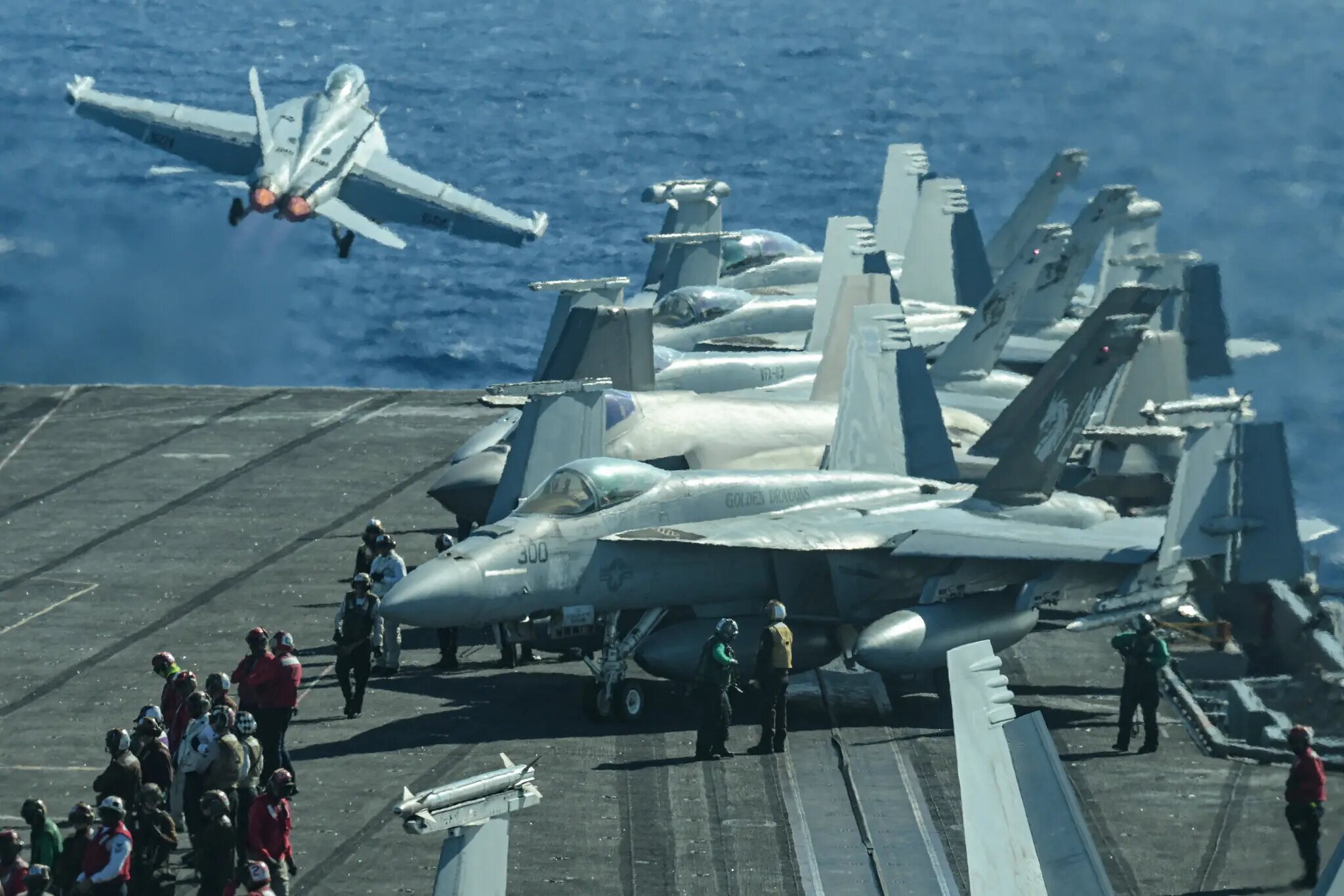
US intelligence officials revealed that Iran has prepared missiles and precision strike weapons to target US military bases in the Middle East in response to possible US support for Israel's attack on the Fordow nuclear facility. At the same time, the US Middle East military region is on full alert, with more than 40,000 troops stationed in the region on high alert.
🎯Who are Iran's missiles targeting?
According to U.S. officials who reviewed intelligence, Iran's currently deployed missiles can easily strike U.S. military facilities in Bahrain, Qatar, and the UAE , and Iraq may be the first target. Two senior Iranian officials have publicly stated: "If the United States joins the war, we will first strike its military bases in Iraq."
Analysts believe that the Strait of Hormuz may become another focus of conflict - Iran has hinted that it may start laying mines, threatening the security of one-third of the world's oil trade routes.
✈️US response: Stealth bombers and aerial refueling
In response to potential escalation, the United States has mobilized approximately 30 aerial refueling tankers from Europe and deployed them to strategic locations. The purpose is to:
-
Support fighter jets’ long-range cruising and defense;
-
Enhanced strike capabilities against Iranian targets;
-
If Fordow is attacked, the United States may use B-2 stealth bombers carrying "massive bunker busters" to attack the underground nuclear facility.
However, behind this tactical air exercise is a dangerous gamble of escalating war .
_1080x.jpg?w=1000&h=1000)
🧨Red Sea, Syria, Lebanon: Potential multi-front battlefields
U.S. officials warned that if the war expands, Iran-backed proxies — the Houthis, Iraqi Shiite militias, Lebanese Hezbollah, and others — would respond quickly:
-
Houthi forces may resume attacks on Red Sea shipping routes ;
-
Pro-Iranian forces in Iraq and Syria may launch ground attacks ;
-
Tensions have arisen in southern Lebanon, and Hezbollah is ready to take action.
This is not only a contest between the United States and Iran, but also a collective activation of a proxy war network .
☢️Fordow nuclear facility: flashpoint or excuse?
The key target of the United States and Israel is Iran's Fordow nuclear facility , a highly enriched uranium site located under a mountain and considered the heart of Iran's nuclear program.
However, several officials admitted that even if the attack was successful, it would be difficult to completely destroy its nuclear development program because:
-
Iran’s uranium stockpiles are spread across different tunnel systems;
-
The time to develop a crude nuclear bomb might be less than a year;
-
Most importantly, the attack itself could prompt Iran to accelerate its nuclear weapons development process .
As Rosemary Kelanik, director of the Middle East program at think tank Defense First, warns:
“If the United States enters the war, that motivation will increase dramatically... You will just go all in and it will be hard to back out.”

🧭What ’s next?
| Strategic Dimension | Potential consequences |
|---|---|
| Iranian missile attack | US military bases in the Middle East bear the brunt |
| U.S. airstrike response | Triggering a full-scale proxy war in the region |
| Red Sea shipping paralyzed | Global energy market is experiencing major shocks |
| Fordow attacked | Iran's nuclear weapons development may be in final stages |
| Trump's stance | Increasing military pressure, but policy is vague and there is no united front |
📢The fine line between war and peace
Although the situation is deteriorating, war is not inevitable. The long-standing lesson of the Middle East is that every military escalation may cause regional turmoil and global chain reactions with incalculable costs .
What we are facing is not only a choice of military action, but also a critical point of civilization conflict, nuclear deterrence and diplomatic game.
Now, the real question is: Will the United States choose calm and restraint, or will it become fully involved?
Comment

.png?w=940&h=430)